
Key Signs Your Pet Requires Specialised Medication Care
Caring for a pet usually feels simple. Meals, walks, playtime, and affection cover most daily needs. But when your furry companion develops a medical condition, everything changes. Suddenly there are pills, injections, strict schedules, and detailed instructions.
During these times, having someone experienced truly matters. When a pet sitter administers medication, timing, accuracy, and calm handling are essential.
Some pet owners turn to friends or neighbors for help. While that may work for feeding and basic care, medical routines require skill and confidence. Here are a few clear signs it may be time to hire a trained professional.
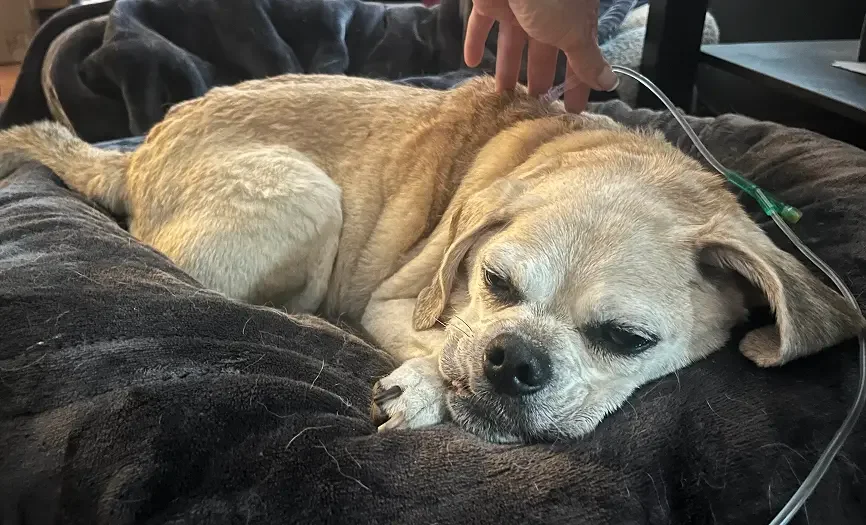
Your Pet Has a Complex Medical Routine
Some pets only need an occasional tablet tucked into their food. Others require measured doses, injections, or multiple medications throughout the day. Conditions like diabetes, heart disease, arthritis, or post-surgery recovery often involve very specific treatment plans.
If your pet’s care includes syringes, rotating prescriptions, or strict timing, a general sitter may not be enough. A trained professional understands proper dosage, hygiene, safe restraint techniques, and how to keep pets calm during treatment.
When a pet sitter administers medication, they do more than simply give a pill. They maintain structure, reduce stress, and ensure nothing is missed.
Missed Doses or Stress During Medication Time
Inconsistency is a red flag. Late treatments, skipped doses, or confusion about instructions can negatively impact your pet’s health. Even small mistakes can cause discomfort or delay recovery.
Your pet’s behavior also offers clues. Hiding, growling, shaking, or refusing food during medication time often signals anxiety. A skilled sitter uses gentle handling, patience, and positive reinforcement to make the process smoother.
When a trained pet sitter administers medication, the goal is not just accuracy but also emotional comfort. A calm approach can make a significant difference in how your pet responds to treatment.
You Travel Frequently or Work Long Hours
Busy schedules can make medical care challenging. Long shifts, business trips, or vacations may interrupt your pet’s routine. Boarding facilities may not always provide personalized, one-on-one medical attention.
In-home care offers stability. Pets stay in familiar surroundings, which reduces anxiety and supports healing. A professional sitter can also monitor for side effects, appetite changes, or unusual behavior.
If you worry about missed treatments or unexpected issues while you are away, it may be time to find a sitter experienced in medical care. When a pet sitter administers medication, they follow clear instructions and maintain consistent routines so you can travel with peace of mind.
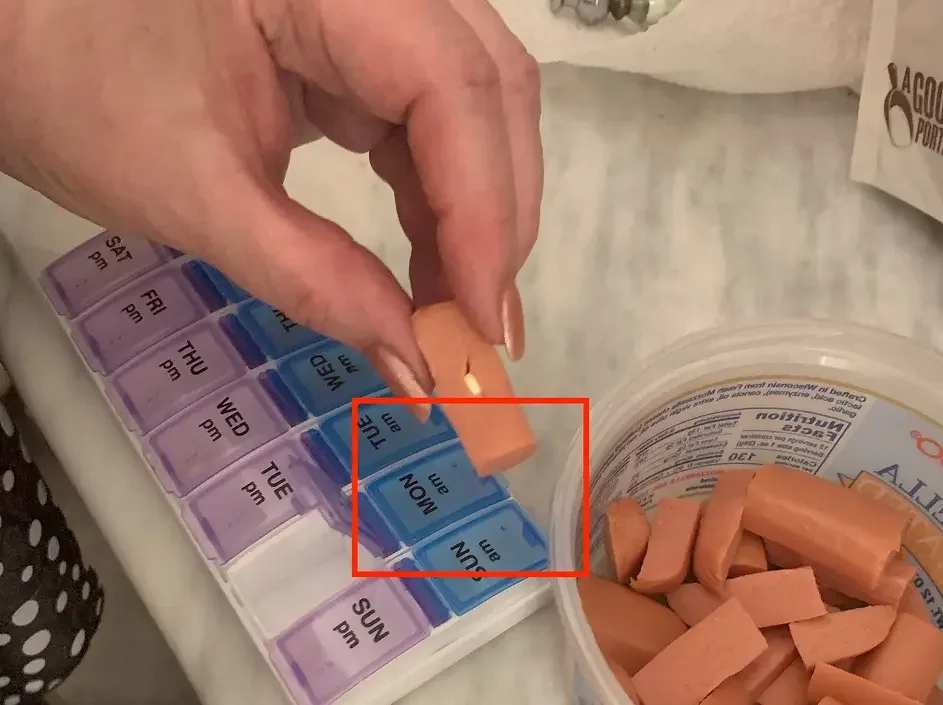
Key Takeaway
Your pet’s medical needs can evolve over time. Complex treatment plans, inconsistent dosing, or demanding schedules are strong signs that professional help may be necessary.
When a pet sitter administers medication, you gain reassurance that your pet is receiving proper, consistent care. Skilled support protects both your pet’s health and their emotional well-being.
At Sit Stay Play, we combine training with compassion to support pets with medical needs. We carefully follow care instructions, handle medications confidently, and maintain your pet’s routine while you are away. Safety, comfort, and peace of mind are always our priority.
Reach out today to learn more about our trusted, medication-trained pet sitting services.